Creating Inclusive Pathways
March 9, 2026
Jessica Bentley
Dr. Sowers
Creating Inclusive Pathways
When helping people stay active, fit, and engaged in sports for life, the first experience someone has with physical activity can make all the difference. The model of this belongs to the Long-Term Athlete Development (LTAD) model. This model is used in Canada and helps to guide how individuals progress in sports from an early age and tracks involvement to a high-performance competitor or a lifelong participant. In comparison, the traditional LTAD model includes stages like active start, fundamentals, and training to win. The version of this for people with disabilities adds two extra pre-stages. These stages are awareness and first contact. These stages recognize that people with impairments, especially those with impairments brought on later in life, may never have been aware of sports opportunities or may have had few chances to try physical activities in a welcoming environment.
The awareness stage is designed to ensure individuals know that sport and physical activity exist for them no matter what the disability. Research and Practice Document Report for Life explains that, without awareness of available programs and adaptive options, many potential athletes will never take the first steps to participate in sports programs. The next stage, the First Contact Stage, is crucial if we want people to stay engaged in sports over time. First Contact Stage is in reference to the very first experience participants have when they try a sport or physical activity program. According to the Sports for Life Guidance, the first experience must be positive, supportive, and inclusive because when the first experience is negative, it can discourage further participants from trying it out.

For people with disabilities, there are often other barriers to participating in an activity that must be addressed before or during their first contact with the sport. These include: limited access to adapted equipment, inaccessible facilities, lack of trained coaching staff, or it can be as simple as finding reliable information about a program. Due to these challenges, many organizations are encouraged to create an environment that is welcoming, equipped to build confidence and motivation, and helps participants develop appropriately. This includes training staff and coaches to understand the wide range of diverse needs, and offers the adaptive equipment for trial to proactively help people with disabilities get involved.
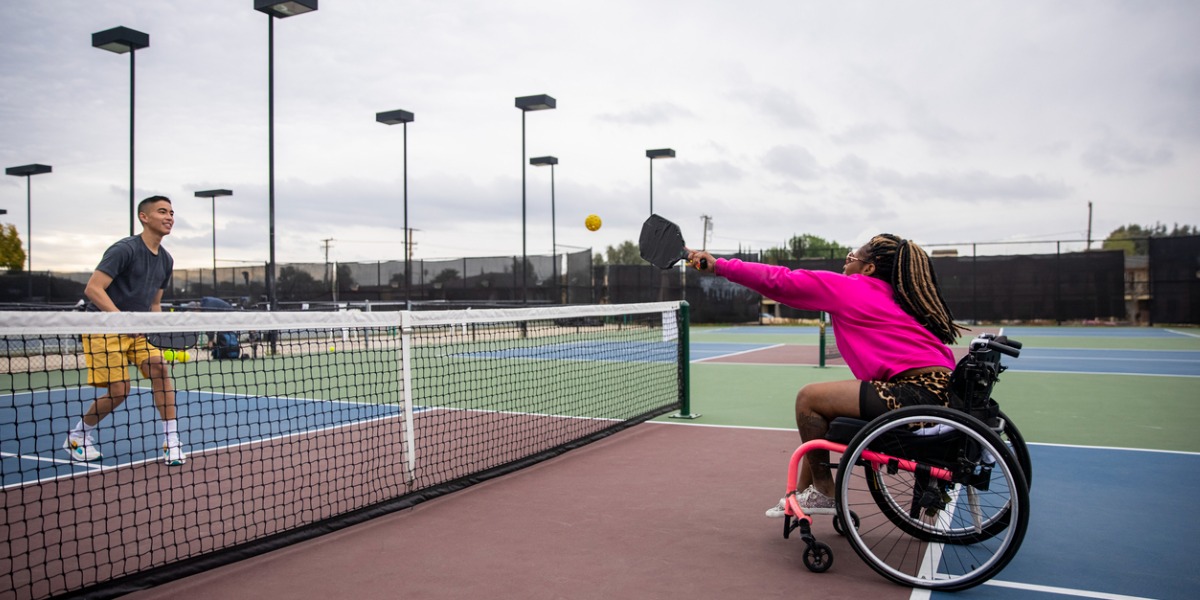
The importance of First Contact goes beyond just making a good impression. Research has shown that when an individual feels comfortable and supported at the very beginning of trying something new, they are far more likely to continue participating in physical activity. They are also more likely to pursue improved skills and development. An individual may even aspire towards competitive sports goals. This aligns with the broader goals of LTAD, which aims to optimize physical, mental, emotional, and social development throughout a person’s lifespan, whether that individual chooses a recreational or high‑performance path. This “first contact” sets the tone for the athlete's entire journey.
Resourceshttps://sportforlife.ca/stages/awareness-and-first-involvement
https://athletics.ca/get-involved/para-athletics/becoming-para-ready-participation

Comments
Post a Comment