More Than a Story
February 25, 2026
Jessica Bentley
Dr. Sowers
More Than A Story
There are significant differences in the coverage of the Olympics and the Paralympics by media outlets. Able-bodied athletes are analyzed, celebrated, and discussed constantly on TV, while Paralympic athletes and other people who are disabled in sports often remain on the sidelines in the TV world. When Paralympic athletes do appear, there is often storytelling of frequent challenges that endure, portraying the athletes as either victims, “superscrips”, or objects of inspiration rather than the skilled athletes. In order to improve the coverage of the Paralympics and other disabled sports, there needs to be a consideration of quality over quantity by the media representation.

The coverage today of disabled sports and how these athletes are framed and portrayed by the media is seen as problematic. The media outlets are often portraying these athletes as tragic, inspiration for others, or essentially less capable than able-bodied athletes. This reinforces the notion of "inspiration porn.” This reduces disabled individuals to symbols rather than strong, talented athletes. When coverage focuses on an athlete’s disability before their athletic accomplishments, it unintentionally reinforces these stereotypes (Hand in Hand, n.d.). What needs to be happening instead is that the media should make the coverage of the individual about their athletic excellence first, and then their disability second.
An authentic representation of athletes plays a huge role in portraying their lives fairly and more accurately. When filming in Hollywood and mainstream media, there is a vast majority of the disabled characters played by non disabled actors and actresses, which then leads to shallow or inaccurate portrayals (Brevig, 2020). The same problem appears in sports media when they use commentators who have not lived anything close to the experiences that disabled athletes have experienced. Commentators tend to unknowingly enforce stereotypes. By including more disabled commentators, journalists, and storytellers, the media can then create a more authentic and humanized portrayal of disabled athletes, showing people their talents, dedication, and athletic ability. It would not make the disability the most important.
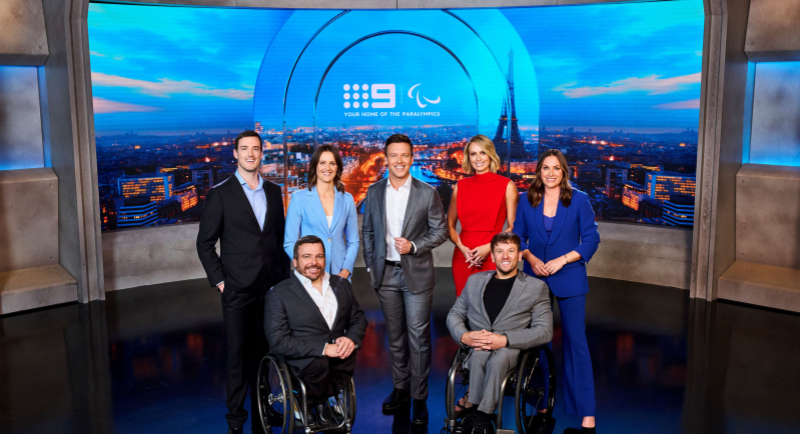
Pictured ( some of the Paralympic broadcasters from Paralympics 2024)
Ultimately, increasing media coverage of disabled sport is about way more than just playing a few feel-good stories just the Paralympics. This coverage should be broadcasted more often from networks and new outlets to help integrate disabled sports into mainstream media. There should be year-round coverage that collaborates with disabled sports organizations to help portray stories about athletes. When the media covers this correctly, it doesn't matter to the audience. This coverage will shift societal perceptions, break down stereotypes, and celebrate athletes for their skill and determination rather than defining them by their disability (Brevig, 2020). With thoughtful coverage of the Paralympics and other disabled sports, athletes can receive the recognition that they deserve.
Brevig, S. (2020, October 19). The case for authentic disability representation in media and why our society desperately needs it. Center for Scholars & Storytellers. https://www.scholarsandstorytellers.com/blog-main/diversity-in-hollywood-the-case-for-authentic-disability-representation-in-film-and-tv
Hand in Hand. (n.d.). Problematic representation of people with disabilities in the media. https://www.handinhandqc.org/blog/problematic-representation-of-people-with-disabilities-in-the-media?
https://sportsgazette.co.uk/why-british-paralympics-media-coverage-must-change/
https://www.mediaweek.com.au/2024-paris-paralympics-everything-to-know-about-nines-hosts-and-commentators/


Comments
Post a Comment